

Healthcare

Your staff should spend their time with patients, not the keyboard.

Many clinics bought the EMR they could afford, not the one they needed, and then added separate tools for everything it couldn't do. I help you get more out of what you have, cut what overlaps, and connect what should work together.

Start with a conversation
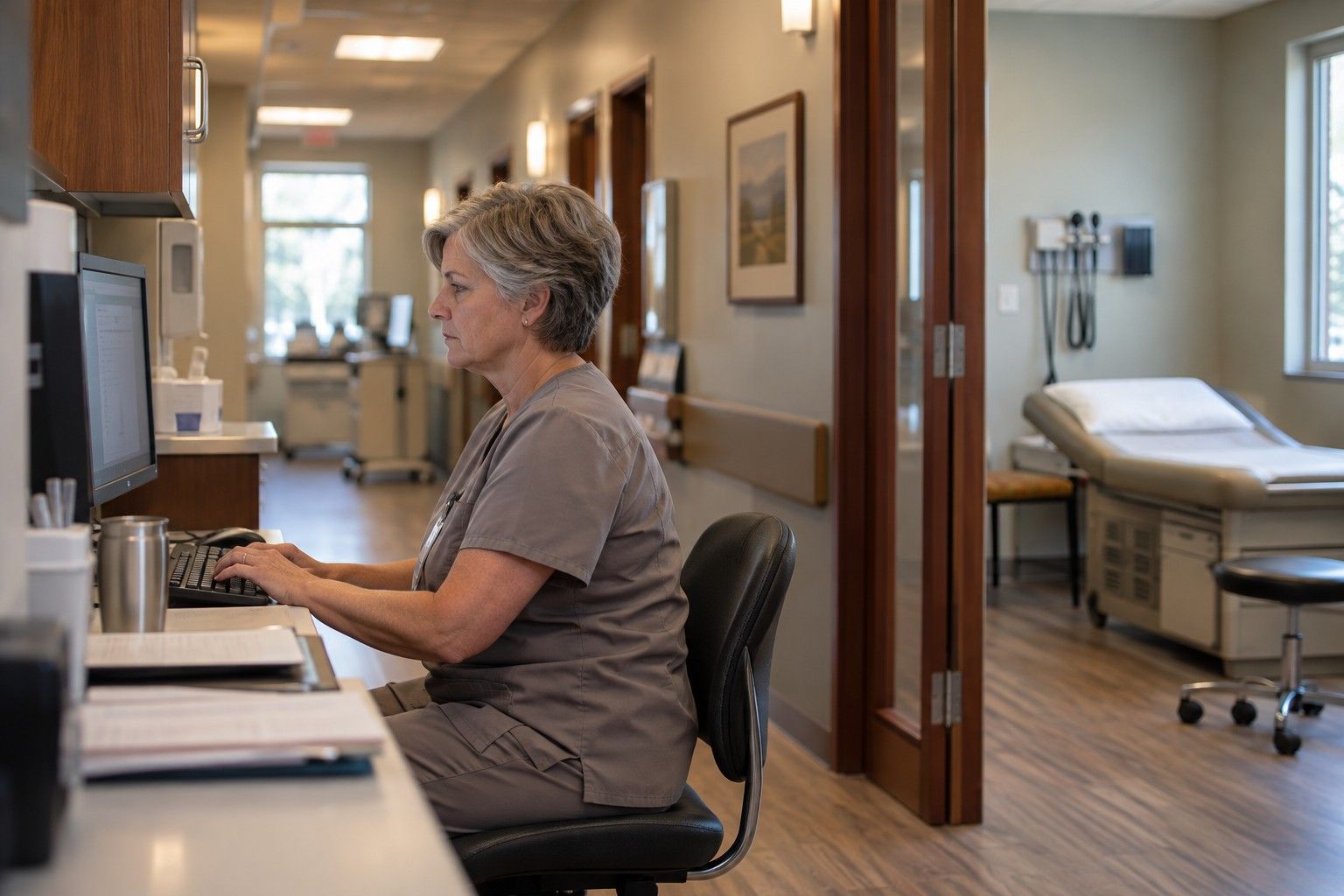
A nurse typing notes at a hallway workstation beside an empty exam room

What I see most often

An EMR used at a fraction of its capacity

Set up quickly, never revisited, and worked around with paper and side tools.

More time entering data than treating patients

Therapists and nurses finishing charts after hours because the system doesn't match how they work.

Payments, scheduling, and coverage checks in separate places

Or done by phone. Every handoff is another chance for a missed appointment or a denied claim.

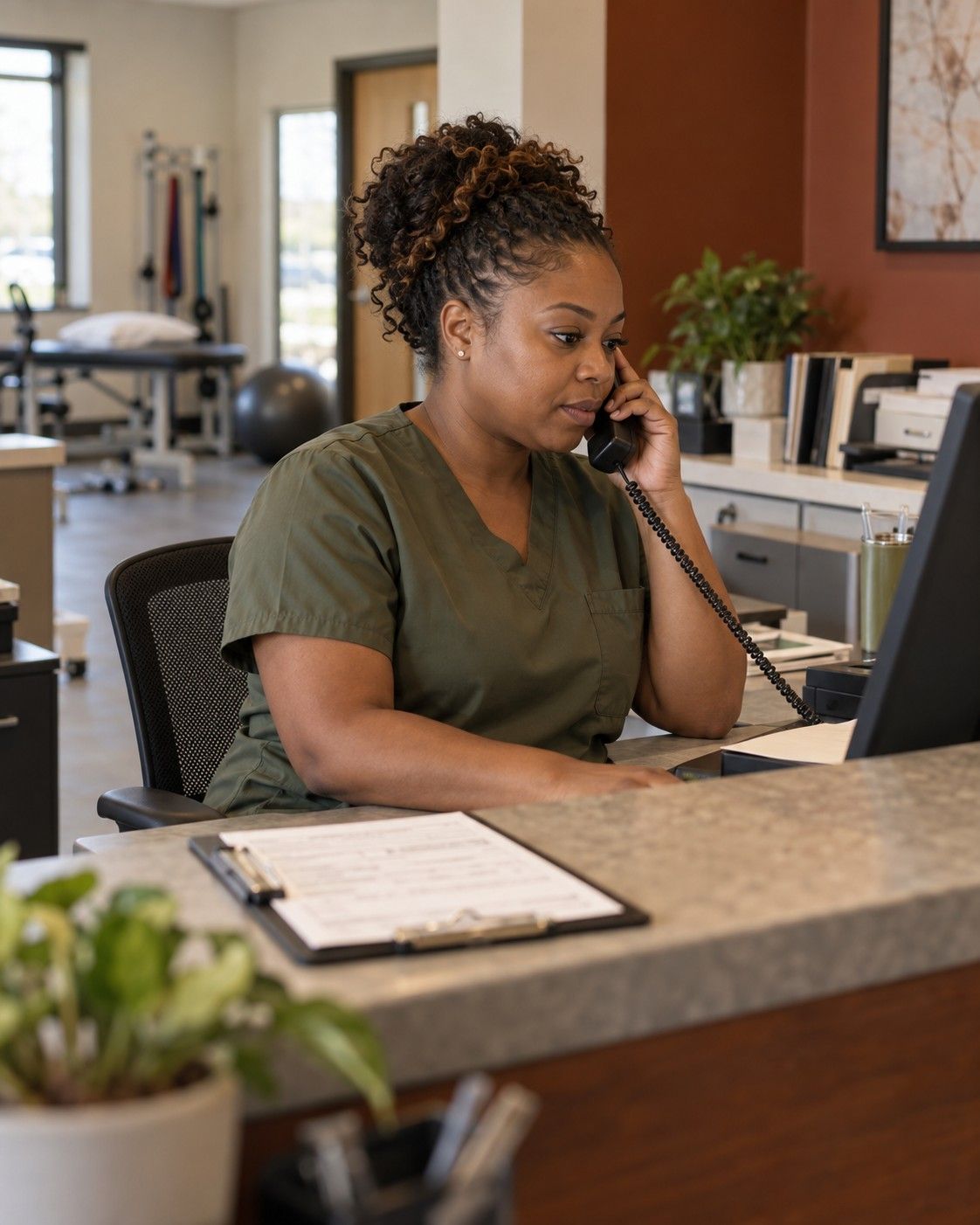
A clinic receptionist on the phone at the front desk
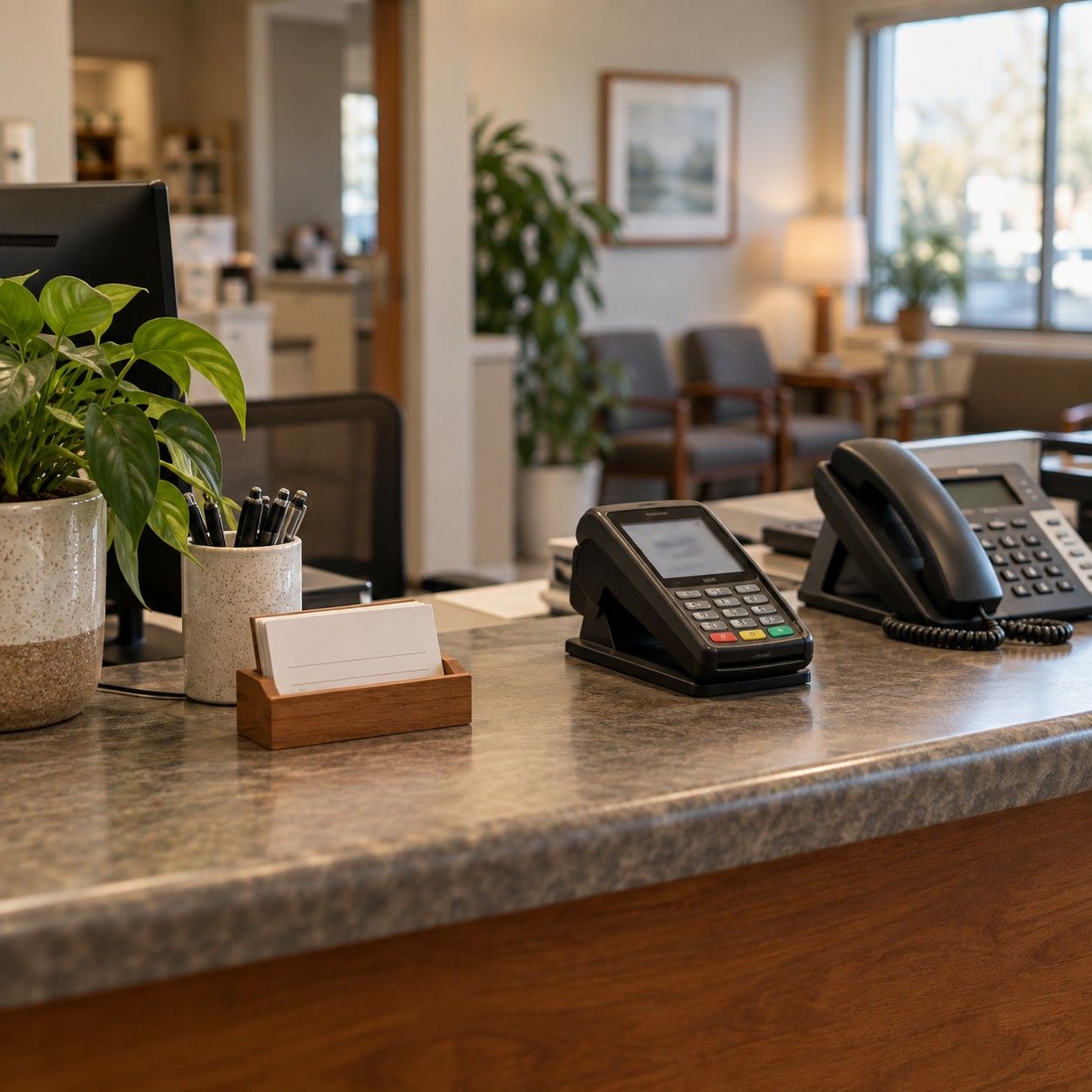
A clinic front counter with a card terminal, phone, and appointment cards

The catalog

What I look at in a business like yours

  1. How your EMR is set up compared to how your staff actually work
  2. Time spent documenting each visit, estimated with your staff
  3. Intake, scheduling, reminders, coverage checks, and payments
  4. Where the front desk types the same thing twice
  5. Which vendors have the agreements in place that patient data requires

A finding like this

Finding 02Example, not a client

Intake forms are typed in by hand

What's happening
Paper or PDF intake re-keyed at the front desk
What it costs
Staff hours a week spent on it
What to do
Online intake that writes to the chart
Hours to fix
Hours of work, estimated task by task
Timeline
Weeks from start to done

After: Patients finish intake before they arrive, and it lands in the chart.

Where something calls for a compliance specialist, I'll say so plainly and help you find one.